
For many parents, taking a child to the dentist can feel like a daunting experience. Some children experience overwhelming anxiety, have trouble sitting still, or require extensive dental treatment that may be difficult to complete while they are awake. Sedation dentistry is often recommended in these situations, but it’s natural for parents to wonder about safety. Understanding how sedation works, what safety protocols are in place, and what parents can expect can make the decision far easier and more reassuring.
Understanding Sedation Dentistry for Children
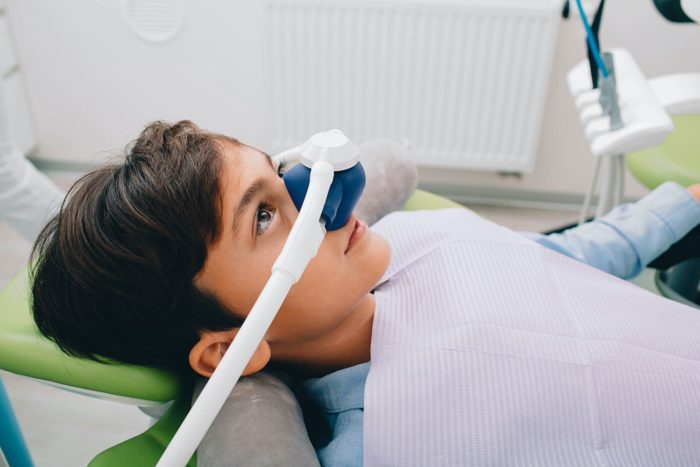
Sedation dentistry uses medication to help children relax during dental procedures. It ranges from minimal sedation, where a child remains awake but calm, to deeper forms that may allow the child to sleep through treatment. The type of sedation recommended depends on the child’s age, anxiety level, medical history, and the complexity of the procedure.
Mild sedation, such as nitrous oxide or “laughing gas,” is the most common. It helps children feel relaxed without putting them to sleep. Moderate sedation, often given orally or through a nasal spray, keeps a child in a drowsy but responsive state. In rare cases involving extensive dental needs or severe anxiety, deep sedation or general anesthesia may be recommended and is administered by a specially trained professional.
Safety Measures That Protect Your Child
When administered by trained pediatric dentists or anesthesiologists, sedation dentistry is extremely safe. These professionals follow strict guidelines from organizations such as the American Academy of Pediatric Dentistry (AAPD) to ensure the highest level of care. Before any sedation appointment, the dental team reviews your child’s medical history, including allergies, medications, past surgeries, and any chronic conditions. This helps determine whether sedation is appropriate and what type is safest.
On the day of the procedure, equipment is used to continuously monitor breathing, heart rate, oxygen levels, and blood pressure. Emergency equipment is always on hand, even though complications are extremely rare. Parents play an important role, too. Following pre-appointment instructions, such as fasting guidelines, helps ensure sedation works properly and reduces risks. After the procedure, the dental team provides clear instructions for home care and monitoring as the sedation wears off.
When Sedation Dentistry May Be the Best Option
Many children benefit greatly from sedation. Kids with high dental anxiety often feel calmer and more cooperative, making treatment smoother for both the child and the dentist. Children with special healthcare needs, such as sensory processing disorders or developmental conditions, may find sedation especially helpful in reducing stress.
Sedation can also make it easier to complete multiple treatments in a single visit, which is beneficial for young children who may struggle with long or repeated appointments. Even for routine procedures like fillings, sedation can help a fearful child build more positive associations with dental care, improving long-term oral health.
What Parents Can Expect After Sedation
Most children recover quickly after mild or moderate sedation. They may feel groggy, giggly, or extra sleepy for a few hours. It’s important for parents to monitor them closely, offer soft foods as recommended, and encourage rest for the remainder of the day. In cases involving deeper sedation or general anesthesia, recovery may take a bit longer, and the dental team will provide thorough instructions to ensure a safe and comfortable transition home.
Sedation Dentistry for Children in Winter Park, FL
At Pediatric Dentistry of Winter Park, we understand how debilitating dental anxiety can be, especially for children. We offer safe and effective sedation dentistry services that could help your child get the treatment they need without added stress. Contact our office today to schedule a consultation and learn more about how to help your child overcome their fear of the dentist.